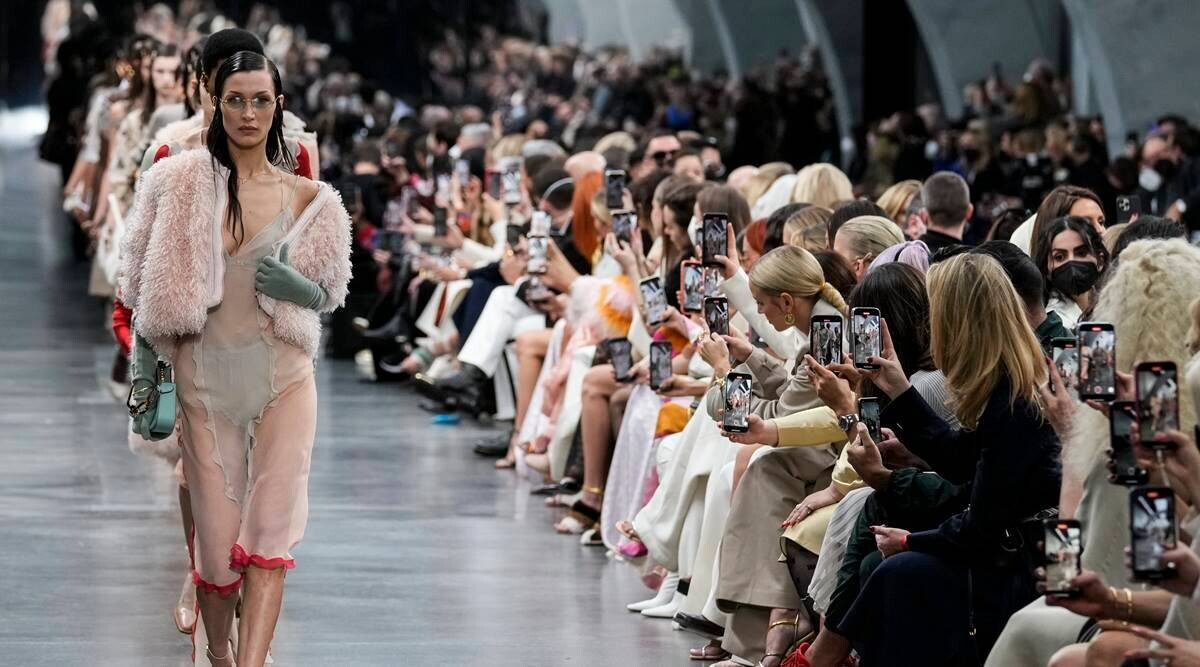
Twice a year, the fashion world turns its attention to four iconic cities where creativity, commerce, and culture collide on the runway. Fashion Week represents the pinnacle of the industry—a moment when designers unveil their latest collections, models walk for the world’s most prestigious brands, and trends are born that will shape what we wear for months to come.
The “Big Four” fashion capitals—Paris, Milan, New York, and London—each host their own Fashion Week, and together they form the backbone of the global fashion calendar. While other cities like Tokyo, Copenhagen, and Sydney have carved out their own niches, these four remain the undisputed leaders in setting trends, launching careers, and defining what luxury and style mean in contemporary culture.
Whether you’re an aspiring model hoping to walk your first runway, a designer dreaming of showing your collection, a fashion student studying the Modeling industry, or simply someone who loves fashion and wants to understand how it all works, this guide will help you navigate the unique character, opportunities, and prestige of each Fashion Week.
What Is Fashion Week?
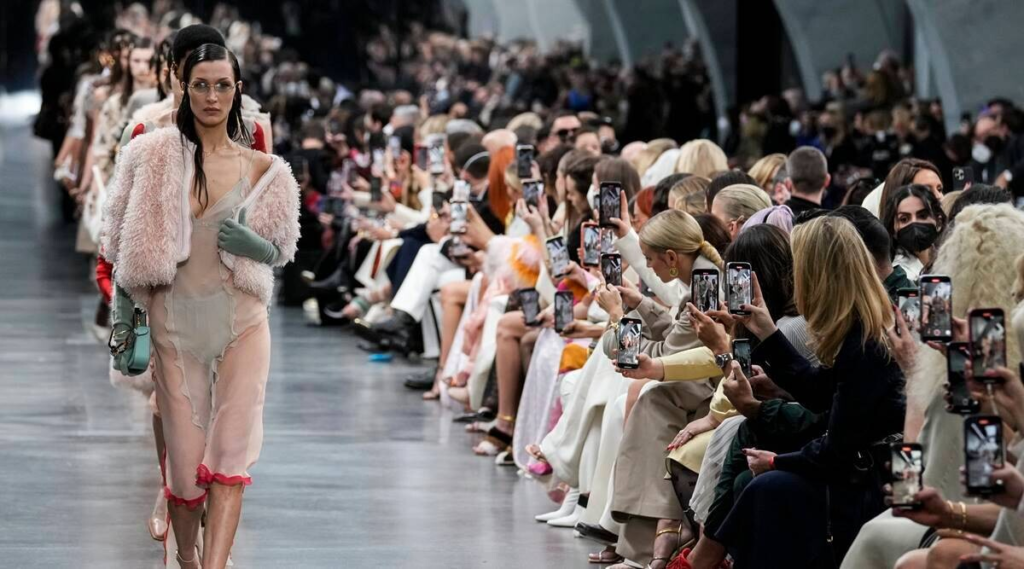
Fashion Week is a series of events where designers showcase their upcoming collections to buyers, press, influencers, and other industry insiders. These presentations typically take place on runways, though some designers opt for presentations, installations, or digital formats.
Fashion Weeks happen twice annually in each major city. The Spring/Summer collections are shown in September and October (for clothes that will be worn the following year), while Fall/Winter collections debut in February and March. This schedule allows retailers and buyers time to place orders and prepare their stores for the upcoming season.
It’s important to distinguish between ready-to-wear Fashion Weeks and couture weeks. Ready-to-wear (prêt-à-porter) shows feature clothing designed for mass production and retail sale, while haute couture weeks—primarily held in Paris—showcase one-of-a-kind, hand-crafted pieces made to measure for private clients. Couture represents the highest level of craftsmanship in fashion, with garments often taking hundreds of hours to create.
The Big Four Fashion Weeks: Overview
Paris, Milan, New York, and London dominate global fashion for good reason. Each city brings its own aesthetic sensibility, industrial infrastructure, and cultural heritage to the table. Together, they represent a comprehensive view of fashion—from experimental artistry to commercial appeal, from heritage craftsmanship to cutting-edge innovation.
The Fashion Weeks follow a specific order in the calendar: New York kicks things off, followed by London, then Milan, and finally Paris. This progression isn’t arbitrary. The sequence allows trends and ideas to build momentum as they move from city to city. Buyers and editors travel this circuit, observing how themes evolve and which silhouettes, colors, and concepts emerge as dominant across different markets.
New York often sets the commercial tone with wearable, lifestyle-oriented fashion. London introduces experimental energy and emerging talent. Milan refines these ideas with Italian craftsmanship and sophisticated glamour. Paris concludes the season with the most prestigious shows, often taking creative risks and setting the artistic standard for the industry. By the time Paris wraps, the fashion narrative for the upcoming season has been written.
Paris Fashion Week
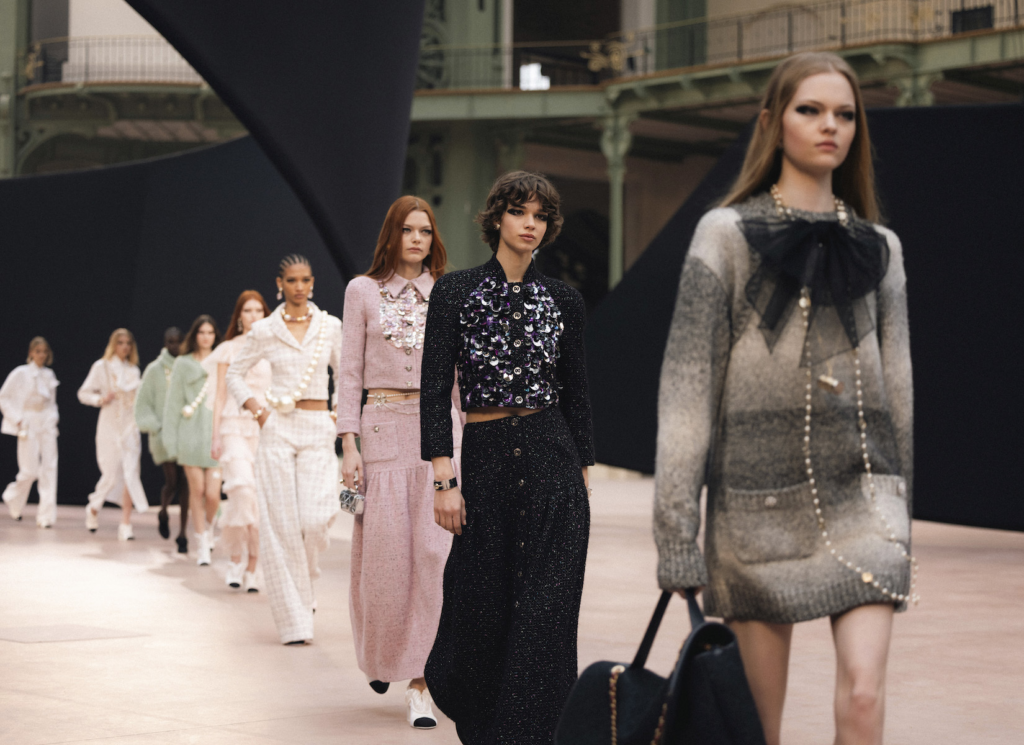
Image Credit: Wallpaper Magazine
Overview
Paris Fashion Week stands as the most prestigious event in the fashion calendar, the grand finale that every designer, model, and editor anticipates. The city’s reputation for luxury, artistry, and high fashion is unmatched. When people think of Fashion Week at its most glamorous and influential, they think of Paris.
Paris is where fashion history was made and continues to be written. It’s the birthplace of haute couture and home to some of the oldest, most revered fashion houses in existence. The shows here attract the biggest names, the most influential buyers, and the most discerning fashion critics.
What Makes Paris Unique
Paris Fashion Week distinguishes itself through its deep connection to haute couture heritage. While other cities focus primarily on ready-to-wear, Paris maintains the tradition of couture craftsmanship even in its prêt-à-porter shows. The level of artistry, attention to detail, and technical excellence expected here is simply higher.
Paris shows are known for their theatricality and drama. Designers don’t just present clothes—they create experiences, tell stories, and push the boundaries of what fashion can be. Whether it’s a show in the gardens of the Tuileries, an elaborate set design that transforms the Grand Palais, or a conceptual presentation that blurs the line between fashion and performance art, Paris embraces spectacle and innovation.
The craftsmanship on display is extraordinary. Hand-embroidery, intricate beading, complex draping, and construction techniques passed down through generations of artisans—these elements are woven into the DNA of Paris fashion. Even ready-to-wear collections here often feature details and finishing that would be considered couture-level elsewhere.
Famous Designers & Brands
Paris is home to legendary French fashion houses including Chanel, Dior, Louis Vuitton, Hermès, Yves Saint Laurent, Givenchy, and Balmain. These names represent not just brands but institutions that have shaped fashion for decades.
Beyond French heritage brands, Paris attracts international luxury houses who choose to show in the city for its prestige. Brands like Valentino, Balenciaga, Alexander McQueen, and Stella McCartney all present their collections during Paris Fashion Week, understanding that the city’s stamp of approval carries weight throughout the industry.
Opportunities for Models
For models, walking in Paris represents a career milestone. The standards are exceptionally high, and competition is fierce. Casting directors and designers in Paris look for models who embody a certain sophistication and can carry clothes with the gravitas they deserve.
The runway exposure gained from walking in Paris can be career-defining. A strong showing at Paris Fashion Week can lead to major campaign bookings, editorial features in top magazines, and representation by the industry’s most powerful agencies. However, the expectations are correspondingly high—professionalism, versatility, and the ability to handle pressure are essential.
Milan Fashion Week
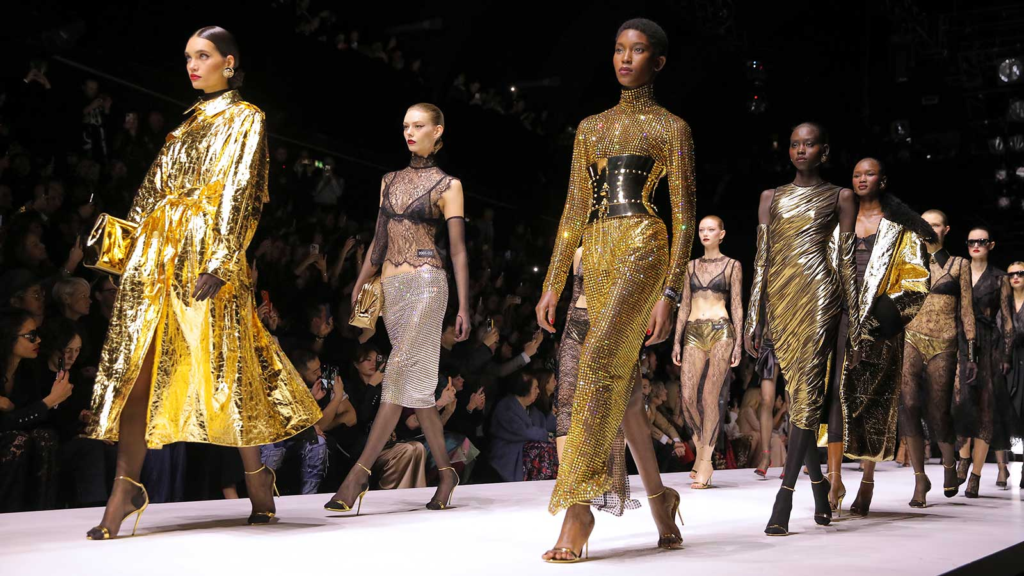
Image Credit: Faces Magazine
Overview
Milan Fashion Week is synonymous with glamour, impeccable tailoring, and luxury that feels both aspirational and wearable. The Italian fashion capital has built its reputation on a foundation of exceptional craftsmanship, with a strong emphasis on how clothes fit the body and enhance the wearer’s natural elegance.
Italian fashion has always understood the relationship between beauty and functionality. Milan shows reflect this philosophy, presenting collections that are undeniably luxurious yet designed to be worn, lived in, and loved.
What Makes Milan Unique
Milan’s aesthetic centers on bold silhouettes and a sensual approach to dressing. Italian designers understand the power of a perfectly cut jacket, a dress that skims the body in all the right places, or trousers with the ideal drape. There’s a confidence and sophistication to Milanese fashion that feels distinctly European.
The focus on wearability sets Milan apart from Paris’s more conceptual approach. While artistry matters, Milan designers also think carefully about who will wear their clothes and how. This doesn’t mean the fashion is conservative—quite the opposite—but it does mean there’s a strong consideration for elegance and how garments will look and feel on real bodies.
Italian craftsmanship, particularly in leather goods, knitwear, and tailoring, is legendary. Milan Fashion Week showcases these traditional skills while incorporating contemporary design sensibilities. The result is fashion that honors heritage while remaining thoroughly modern.
Famous Designers & Brands
Milan is home to iconic Italian fashion houses including Versace, Prada, Gucci, Armani, Dolce & Gabbana, Bottega Veneta, and Fendi. These brands represent the breadth of Italian fashion, from Versace’s bold sensuality to Prada’s intellectual minimalism, from Armani’s refined tailoring to Gucci’s eclectic maximalism.
Many of these houses successfully bridge the gap between luxury and commercial appeal. A Prada bag or Gucci loafer might be aspirational purchases, but they’re also items people actually save for and buy—not just admire from afar. This combination of prestige and accessibility contributes to Milan’s powerful position in the fashion economy.
Opportunities for Models
Milan offers excellent opportunities for models interested in both runway work and luxury brand campaigns. The city’s fashion industry is robust and commercially successful, which translates to well-paying jobs and strong exposure.
Models who work Milan Fashion Week often find themselves in consideration for major advertising campaigns, particularly for accessories, leather goods, and beauty products associated with these luxury houses. The experience of walking for established Italian brands carries significant weight when agencies pitch their models for other high-level bookings.
New York Fashion Week
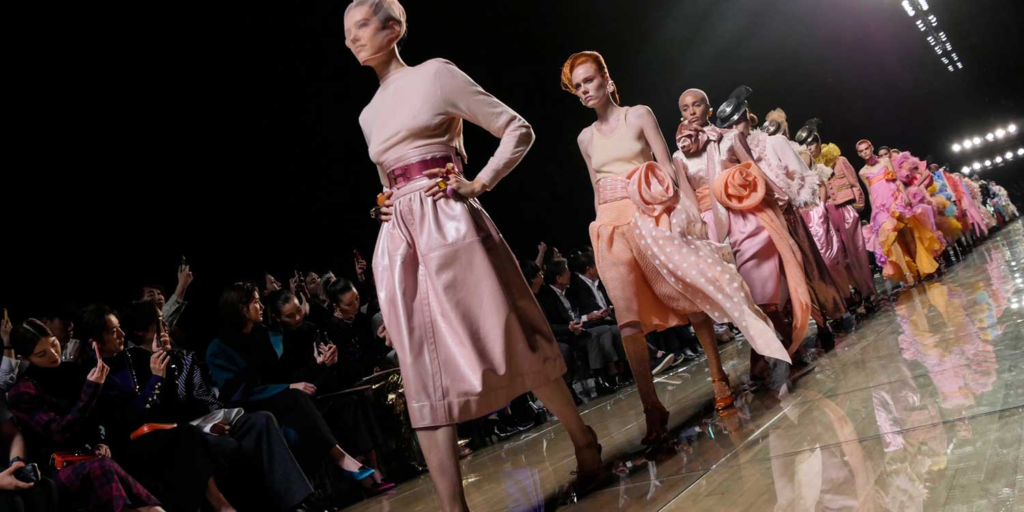
Image Credit: Thebureaufashionweek
Overview
New York Fashion Week is the most commercial and media-driven of the Big Four, reflecting American fashion’s emphasis on lifestyle, practicality, and broad appeal. While it may not have the couture heritage of Paris or the craftsmanship tradition of Milan, New York brings its own strengths: diversity, energy, and a powerful connection to both street style and mass market.
American fashion has always been about democratization—making style accessible and relevant to a wide audience. New York Fashion Week embodies this spirit, showcasing everything from high-end designer collections to contemporary brands that will appear in department stores within months.
What Makes New York Unique
New York’s approach to fashion is fundamentally democratic and inclusive. The city has led the industry in embracing diversity, featuring models of different races, body types, ages, and backgrounds on its runways. This commitment to representation reflects American values and the reality of the country’s diverse population.
The fashion shown in New York tends to be wearable and lifestyle-oriented. American designers think about how their clothes fit into real lives—what you’ll wear to work, on a date, to a casual dinner, or on vacation. There’s less emphasis on fantasy and more on clothes that solve real wardrobe needs while still being stylish and desirable.
New York Fashion Week is also heavily influenced by street style and youth culture. Designers here are attuned to what’s happening on the streets, in music, in social movements, and in popular culture. This creates fashion that feels current and connected to the moment.
Famous Designers & Brands
New York hosts a mix of heritage American brands and contemporary designers. Names like Ralph Lauren, Calvin Klein, Michael Kors, Marc Jacobs, and Tommy Hilfiger represent classic American fashion. Meanwhile, designers like Tom Ford, Proenza Schouler, Alexander Wang, and Tory Burch bring contemporary perspectives.
The city has also become a platform for international designers who appreciate New York’s commercial reach and media attention. The presence of emerging talent is strong, with many young designers choosing New York as their launching pad because of its openness to new voices and ideas.
Opportunities for Models
For models, New York Fashion Week offers high-paying commercial work alongside runway opportunities. The city’s fashion industry is vast and includes not just runway shows but also catalog work, e-commerce shoots, showroom presentations, and advertising campaigns.
New York is often considered an easier entry point for new models compared to Paris or Milan. Casting directors are generally more open to fresh faces and less established models, making it an ideal place to gain experience, build your runway walk, and start accumulating credits for your portfolio.
The commercial nature of New York fashion also means there’s more work available beyond Fashion Week itself. Models who establish themselves in New York often find steady employment throughout the year.
London Fashion Week
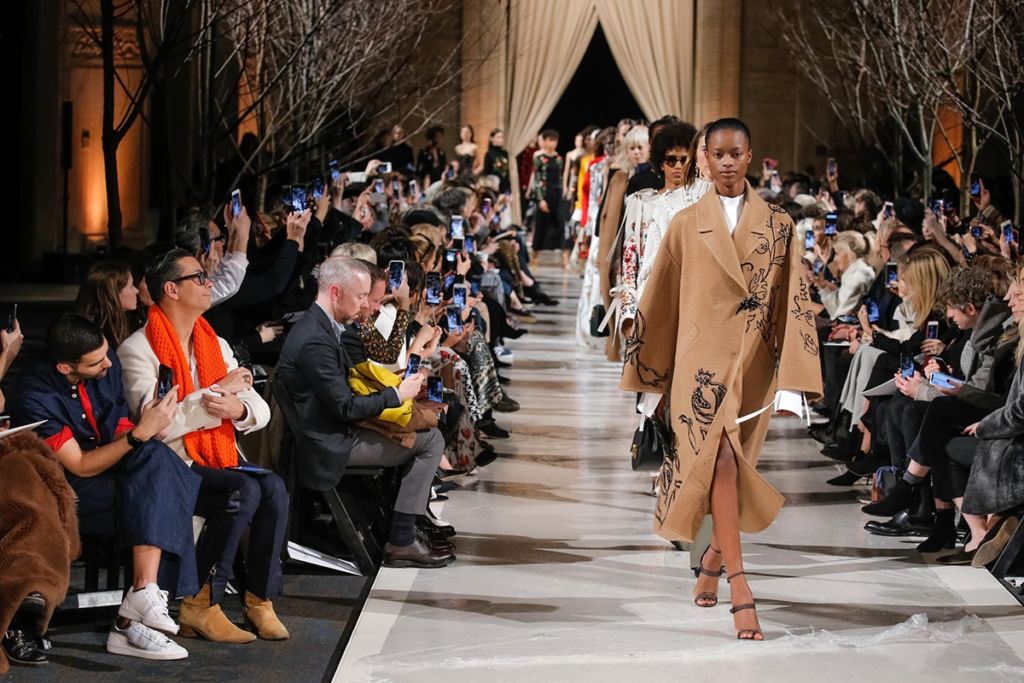
Image Credit: Secret London
Overview
London Fashion Week has carved out a distinctive identity as the most creative and experimental of the Big Four. While it may not command the same commercial clout as New York or the luxury prestige of Paris and Milan, London is where fashion pushes boundaries, takes risks, and discovers the next generation of talent.
The British fashion scene has always celebrated individuality, subversion, and artistic expression. London Fashion Week reflects these values, providing a platform for designers who might be too unconventional or avant-garde for other fashion capitals.
What Makes London Unique
London’s approach to fashion is fearlessly avant-garde. Designers here aren’t constrained by what’s commercially viable or traditionally beautiful. They experiment with form, challenge conventions, and treat fashion as an art form and a means of cultural commentary.
The fashion-forward and artistic approach means that London shows can be unpredictable, thought-provoking, and sometimes polarizing. You’re as likely to see a collection that references punk culture or addresses political issues as you are to see traditional ready-to-wear. This creative freedom is what makes London exciting and essential to the fashion calendar.
London Fashion Week has also been a champion of sustainability and ethical fashion, with many designers incorporating environmentally conscious practices and materials into their work. The city’s fashion community tends to be more politically engaged and socially aware than those in other capitals.
Famous Designers & Brands
London is home to British heritage brands like Burberry, Alexander McQueen, and Vivienne Westwood, alongside new-generation designers like Simone Rocha, Molly Goddard, JW Anderson, and Erdem. These designers bring fresh perspectives while often drawing on British cultural references, from historical costume to youth subcultures.
Many of London’s most celebrated designers started their careers showing at London Fashion Week before eventually showing in Paris or other cities. The event functions as both a showcase for established British brands and a launching pad for emerging talent.
Opportunities for Models
For models, London Fashion Week offers exceptional editorial exposure. While the commercial opportunities may be fewer than in New York or Milan, the creative opportunities are unmatched. Walking in London shows can lead to editorial work with cutting-edge fashion magazines and collaborations with photographers and stylists who appreciate an artistic, unconventional aesthetic.
London is ideal for building a strong fashion portfolio with images that showcase versatility, creativity, and the ability to embody different characters and concepts. Many models who establish themselves in London’s avant-garde scene go on to book high-fashion editorial work and eventually transition to showing in Paris, where that creative credibility is highly valued.
Paris vs Milan vs New York vs London: Key Differences
Understanding the differences between the Big Four helps models, designers, and fashion professionals make strategic decisions about where to focus their energy and which Fashion Week aligns best with their goals and aesthetic.
In terms of style and aesthetic, Paris leads with artistry and conceptual fashion, Milan emphasizes glamour and sophisticated wearability, New York focuses on commercial appeal and lifestyle fashion, and London champions creativity and experimentation.
The balance between commercial and high fashion varies considerably. New York is the most commercially driven, with strong connections to retail and mass market. Milan balances luxury with commercial viability—the clothes are aspirational but also intended to be purchased and worn. Paris leans most heavily toward high fashion and artistic expression, with less concern for immediate commercial success. London occupies a unique space where commercial considerations often take a backseat to creative vision.
Model requirements differ across cities. Paris expects polished, experienced models who can handle the pressure of the industry’s most prestigious runway shows. Milan looks for models with classic beauty and the ability to embody sophisticated elegance. New York is more open to diverse looks, body types, and newer models. London values models who can adapt to different creative visions and aren’t afraid of unconventional styling or concepts.
Media and buyer attention is highest in Paris and New York, though for different reasons. Paris attracts editors and buyers seeking the season’s most influential high-fashion statements, while New York draws those interested in commercial trends and what will sell in stores. Milan and London receive significant attention but are sometimes seen as stepping stones in the broader Fashion Week narrative.
How Fashion Weeks Impact the Modeling Industry
Fashion Weeks serve as the industry’s primary trendsetting platform. The collections shown during these events influence not just what appears in stores but also editorial direction for magazines, styling choices for celebrities, and the overall aesthetic conversation in fashion for the coming months.
For models, Fashion Week can launch careers overnight. A strong showing—particularly for a prestigious brand or in a show that generates significant buzz—can transform an unknown face into an in-demand model. Designers, casting directors, and agents are all watching to see who stands out, who photographs well, and who has that indefinable quality that translates to success beyond the runway.
Runway exposure remains crucial even in the digital age. While social media has changed how fashion is consumed, walking for respected brands during Fashion Week still carries more weight than having a large Instagram following. It signals that you’ve been vetted by industry professionals and can deliver in high-pressure situations.
Fashion Week is also an unparalleled networking opportunity. Models meet designers, photographers, stylists, makeup artists, and other models—connections that can lead to future bookings, collaborations, and career opportunities. The relationships built during Fashion Week often prove just as valuable as the immediate work itself.
How Models Can Prepare for Fashion Week
Success at Fashion Week requires preparation that begins long before the shows. Building the right portfolio is essential. Your book should showcase versatility, strong posing, and the ability to work with different photographers and concepts. For aspiring runway models, including editorial work and images that show your body proportions clearly is important.
Getting signed with reputable modeling agencies is typically necessary to access Fashion Week castings. Agencies have the relationships with casting directors and brands that open doors. Research which agencies represent models whose careers you admire and who work regularly during Fashion Week. Prepare a strong application with your best photos, accurate measurements, and a professional presentation.
The Fashion Week process involves multiple stages. Castings typically begin a few weeks before the shows, with models visiting designers’ studios or casting locations to be considered for their shows. If selected, you’ll attend fittings where garments are checked for fit and any necessary alterations are noted. Rehearsals allow you to practice your walk on the actual runway, learn where to pause or turn, and get comfortable with the space.
Physical and mental preparation matters. Fashion Week is exhausting—long days, multiple shows, constant travel across the city, and little downtime. Taking care of your health, staying hydrated, getting as much rest as possible, and maintaining a positive attitude despite the stress all contribute to your success.
Common Myths About Fashion Weeks
Several persistent myths about Fashion Week can discourage aspiring models or create unrealistic expectations. Understanding the reality helps you approach the experience with appropriate preparation and perspective.
The myth that only supermodels walk Fashion Week is simply false. While top models do walk for the biggest brands, thousands of other models—including many newcomers—participate in Fashion Week shows each season. Many designers specifically seek fresh faces and models who aren’t yet household names.
The idea that Fashion Week is only for designers misunderstands the event’s broader purpose. While designers showcase their collections, Fashion Week exists for the entire industry ecosystem—buyers who place orders for stores, editors who cover trends for publications, stylists who source looks for clients, and yes, models who walk the runways and appear in campaign imagery.
Perhaps the most damaging myth is that models get rich instantly from runway shows. The reality is that runway modeling, particularly for emerging models, doesn’t pay as well as many people assume. Some designers pay very little or offer only clothing in exchange for walking. The value comes from the exposure, the portfolio material, the industry connections, and the potential for future bookings that do pay well. Many successful models actually lose money during Fashion Week when you account for travel, accommodation, and other expenses, but they consider it an investment in their careers.
Final Thoughts
Despite predictions that digital media would diminish Fashion Week’s importance, these events remain central to how the industry operates. While the format has evolved—with livestreams, social media coverage, and digital presentations now standard—the fundamental value of bringing the fashion community together to witness new collections remains unchanged.
Fashion Weeks still matter because they create moments that capture attention and imagination in ways that gradual digital releases cannot. They generate the cultural conversation around fashion, set the trends that influence design at every level, and provide the career-making opportunities that aspiring professionals dream about.
Which Fashion Week suits your goals depends on what you’re looking for. If you’re a model seeking commercial success and accessibility, New York offers the most opportunities. If you want editorial credibility and creative expression, London provides the ideal platform. If you’re drawn to luxury and sophisticated glamour, Milan is your destination. And if you’re aiming for the highest levels of prestige and artistry, Paris represents the ultimate achievement.
For aspiring designers, the choice depends on your aesthetic and business strategy. For students and fashion lovers, each city offers unique insights into different aspects of the industry—and together, they tell the complete story of contemporary fashion.
Fashion Week is challenging, competitive, and sometimes overwhelming, but it’s also where dreams are realized, careers are launched, and the future of fashion is written. Whether you’re stepping onto your first runway, showing your first collection, or simply watching from afar as an enthusiast, understanding these four fashion capitals gives you a deeper appreciation for the artistry, commerce, and cultural significance of fashion itself.
Leave a Reply