The modeling industry is filled with myths. Many people believe you need to be exceptionally tall, impossibly thin, or discovered by chance in a shopping mall. The reality is far different. While height matters for runway work, today’s modeling world is remarkably diverse. Commercial brands need relatable faces, fitness companies seek athletic builds, and e-commerce requires models of all shapes, sizes, and ages. Most successful models don’t get discovered by accident—they build their careers through strategic, deliberate effort.
Modeling can be a full-time career, a flexible side hustle, or occasional gig work—the choice is yours. Some models sign exclusive agency contracts and travel internationally for fashion weeks. Others balance modeling with school or corporate jobs, booking commercial shoots around their schedules. Many work as freelancers, accepting jobs as they come while maintaining complete flexibility.
This guide provides a complete step-by-step roadmap for beginners. You’ll learn how the industry works, what different modeling types exist, how to build a portfolio, approach agencies, avoid scams, and book your first paid jobs. We’ll cover everything from practical skills like posing to business essentials like contracts and rates, plus how social media fits into modern modeling.
Whether you’re a teenager exploring options, an adult considering a career change, or a complete beginner who’s always been curious, this guide is for you. Let’s get started.
What Is Modeling?

Modeling is visual storytelling through human presence. Models help brands, designers, and artists communicate ideas, sell products, or create aesthetic experiences. One day you might showcase athletic wear for an online retailer, the next walk a runway in avant-garde fashion, then appear in a lifestyle campaign for a bank.
The industry operates on a project basis. Brands and creative teams need models for specific shoots, shows, or campaigns. They communicate their needs to casting directors or modeling agencies, who then recommend suitable models. If you’re agency-represented, your agent submits your portfolio and arranges auditions (called castings or go-sees). If you’re freelance, you might find work through online platforms, direct brand outreach, or personal networks.
Models typically work under two types of arrangements: freelance contracts for individual projects or agency representation where an agency manages your career in exchange for commission (usually 20% of your earnings). Freelancers have complete control but must handle all business aspects themselves. Agency models benefit from professional guidance, established client relationships, and legal protection, though they sacrifice some autonomy.
The modeling market operates at both local and global levels. Major fashion capitals like New York, Paris, Milan, and London offer the highest-profile opportunities, but thriving markets exist in smaller cities for commercial, catalog, and e-commerce work. Many models start locally before expanding to national or international markets.
Different Types of Modeling Careers
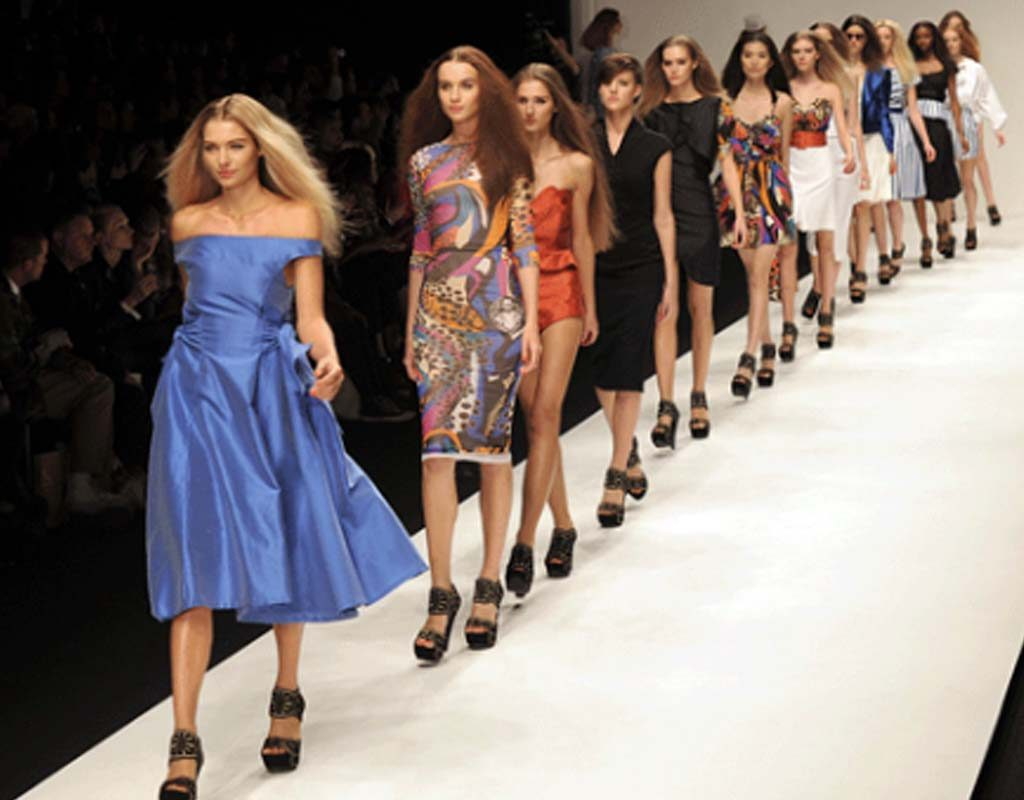
Image Credit: Growth Centre
Fashion / Runway Modeling
Fashion modeling represents the industry’s most recognized sector. These models walk runways during fashion weeks, appear in designer lookbooks, and embody high-end brands. Height requirements are strict—typically 5’9″ to 6’0″ for women and 6’0″ to 6’2″ for men. The work is prestigious but highly competitive, with peak earning years generally between ages 16 and 25.
Editorial Modeling
Editorial models appear in magazine spreads, artistic photoshoots, and creative campaigns. This work prioritizes unique looks, strong bone structure, and photogenic qualities over specific measurements. While editorial work often pays less than commercial modeling (sometimes only offering photo credit), it builds credibility and opens doors to other opportunities.
Commercial Modeling
Commercial modeling is the industry’s largest sector. These models appear in advertisements, catalogs, e-commerce sites, billboards, and corporate materials. Brands seek relatable, friendly faces that represent their target customers. Height and size requirements are flexible, making commercial modeling accessible to more people. The pay is typically reliable and the work steady.
Fitness & Sports Modeling
Fitness models showcase athletic wear, supplements, gym equipment, and wellness products. This niche requires visible muscle definition, low body fat, and an athletic physique. Many fitness models are personal trainers, athletes, or fitness enthusiasts who leverage their lifestyle into modeling work. The rise of activewear brands has made this a growing market.
Plus-Size Modeling
Plus-size modeling (typically size 12 and up in the US) has exploded as brands embrace body diversity. Major agencies now have dedicated plus-size divisions, and models in this category work across fashion, commercial, and editorial sectors. The work is just as professional and lucrative as straight-size modeling, with similar requirements for professionalism, posing skills, and portfolio quality.
Petite Modeling
Petite models (typically 5’7″ and under for women) find opportunities in commercial work, catalogs, and brands specifically targeting shorter consumers. While traditional runway work may be limited, petite models thrive in relatable, everyday advertising where representing the average consumer matters more than meeting fashion industry height standards.
Glamour & Lingerie Modeling
This category includes swimwear, lingerie, and tasteful implied or artistic work. Models need confidence and comfort with their bodies. Legitimate glamour modeling is professional and respects boundaries, though this sector unfortunately attracts scammers. Always research clients thoroughly and never work with anyone who makes you uncomfortable.
Parts Modeling
Parts models specialize in specific body features—hands, feet, legs, hair, or even eyes and lips. Hand models appear in jewelry advertisements and product demonstrations. Foot models showcase shoes. This niche can be surprisingly lucrative, and physical requirements focus solely on the featured body part being well-maintained and photogenic.
Child & Teen Modeling
Child modeling (infants to age 12) and teen modeling (13-17) focus heavily on commercial work, catalogs, and campaigns for youth-oriented brands. Parents or guardians manage careers, handle contracts, and must ensure work doesn’t interfere with education. Strict labor laws protect young models, limiting work hours and requiring permits.
Also Read: Runway vs Editorial vs Commercial Modeling: What’s the Difference?
Who Can Become a Model? (Eligibility & Requirements)
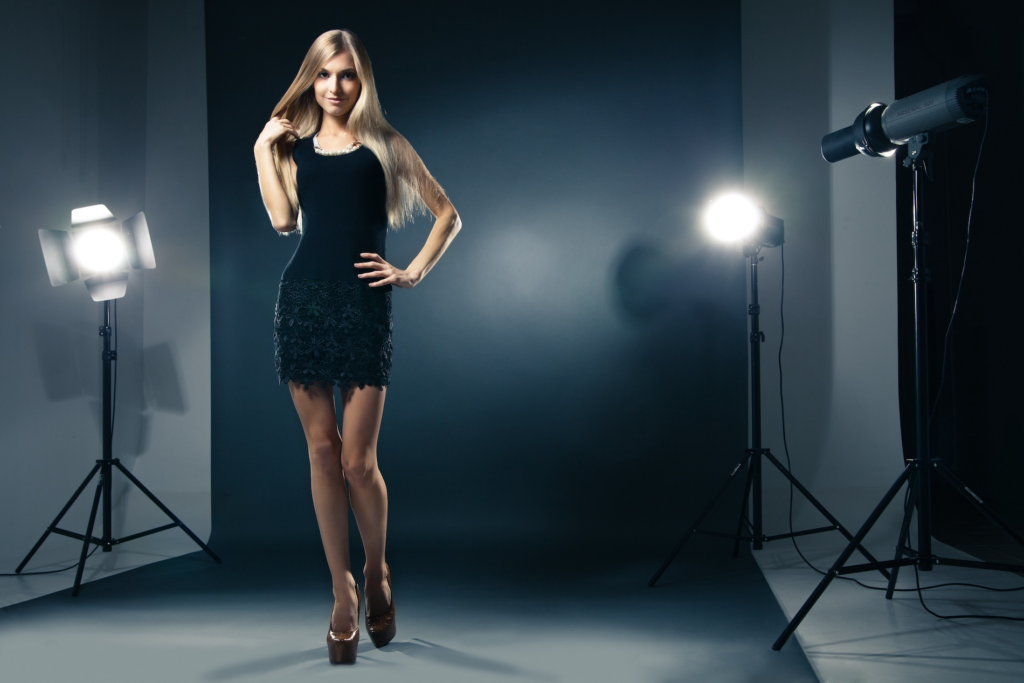
Image Credit: Backstage
Age is less restrictive than many assume. Child models can start as infants, though consistent work typically begins around age 3-5 when children can follow directions. Teen modeling thrives between 13-17, often leading to adult fashion careers. Adult modeling has no upper limit—commercial, mature, and character modeling all seek older faces. Many people successfully start modeling in their 30s, 40s, or beyond, particularly for commercial work.
Height and body measurements vary dramatically by niche. Fashion runway modeling demands 5’9″-6’0″ for women and 6’0″-6’2″ for men. Editorial work has similar preferences. However, commercial modeling welcomes all heights. Plus-size, petite, fitness, and parts modeling each have distinct physical criteria. The key is finding where your natural attributes meet market demand rather than forcing yourself into categories that don’t fit.
Facial features matter, but “beauty” is subjective and trends constantly shift. Some markets prefer classic symmetrical features, others seek unique or unconventional looks. Strong bone structure photographs well. Clear skin helps but isn’t mandatory—many successful models have freckles, birthmarks, or distinctive features. What matters most is how photogenic you are, which isn’t always predictable from the mirror.
The modern modeling industry increasingly embraces diversity and inclusivity. Brands recognize that consumers want to see themselves represented. Models of all ethnicities, body types, genders, abilities, and ages now work regularly. Visible tattoos, once career-ending, now appear in major campaigns. The industry still has progress to make, but opportunities exist for far more people than ever before.
You absolutely can become a model with no prior experience. Everyone starts somewhere, and agencies regularly sign complete beginners with the right look and potential. What you lack in experience, you can compensate for with strong photos, professional attitude, and willingness to learn. Many top models were discovered with zero background in the industry.
How to Know If Modeling Is Right for You
Successful models share certain personality traits beyond physical appearance. Confidence matters—not arrogance, but comfort in your own skin and ability to take direction without becoming defensive. Adaptability helps you shift between different creative visions, photographers, and brand requirements. Professionalism means showing up on time, prepared, and ready to work regardless of personal circumstances.
The work demands more physical stamina than outsiders realize. Fashion shoots often run 8-12 hours with minimal breaks. Runway models wear uncomfortable shoes and restrictive clothing while maintaining perfect posture. Outdoor shoots happen in extreme weather. You’ll hold awkward poses for extended periods. If you’re not reasonably fit and healthy, the physical demands will wear you down quickly.
Mental resilience might be modeling’s most important requirement. Rejection is constant and often has nothing to do with your abilities—you’re simply not what that specific client needs at that moment. You’ll attend dozens of castings before booking work. Photographers might critique your appearance bluntly. The industry can feel superficial and impersonal. If you take rejection personally or need constant validation, modeling will damage your self-esteem.
The lifestyle isn’t for everyone. Modeling often involves travel, sometimes internationally and sometimes on short notice. Work hours are irregular—a 6 AM call time one day, a midnight shoot the next. Income fluctuates dramatically. You might work constantly for two months then have six weeks without a single booking. If you need structure, predictability, and steady paychecks, modeling will feel chaotic and stressful.
Consider whether you can handle long periods of uncertainty without losing motivation. Many aspiring models give up during the initial months when they’re building portfolios and attending castings without earning money. Success requires patience, persistence, and often the financial cushion to support yourself during slow periods.
Step-by-Step: How to Become a Model From Scratch
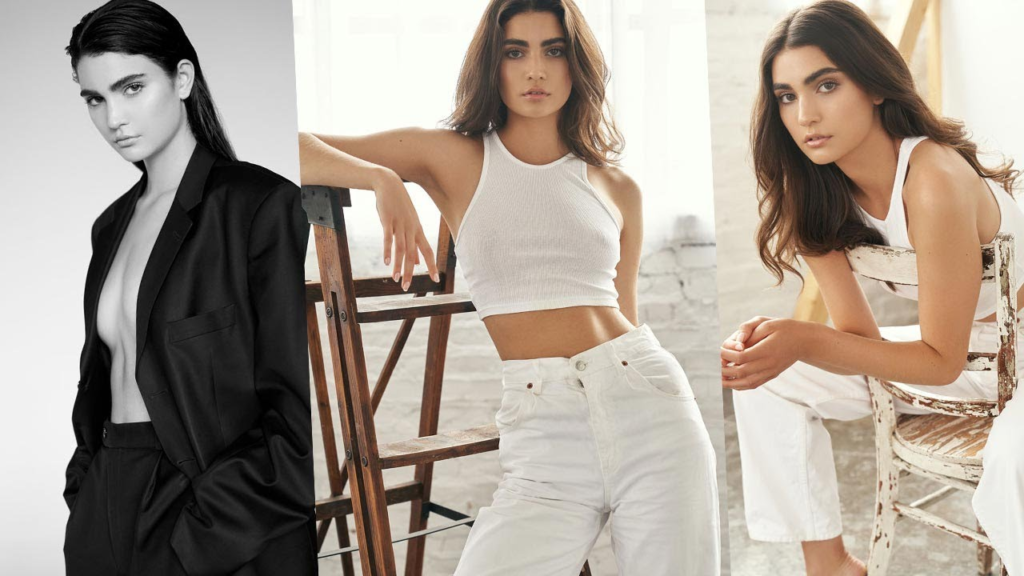
Image Credit: CM Models
Step 1: Understand Where You Fit in the Modeling Industry
The first and most important step in becoming a model is understanding that modeling is not a single career path. It is an industry made up of many specialised categories, each with its own expectations, physical requirements, and hiring patterns.
Many beginners make the mistake of chasing high-fashion runway work simply because it looks glamorous. In reality, runway modeling has strict height and proportion standards that leave little room for flexibility. If your height or build doesn’t align with those expectations, it doesn’t mean you can’t be a model—it means your opportunities likely exist elsewhere.
Commercial, lifestyle, petite, fitness, and digital modeling value relatability, personality, and real-world appeal. Models who succeed long-term are usually those who identify their natural strengths early and position themselves where demand already exists. Modeling is not about changing who you are; it’s about marketing what you already have in the right way.
Step 2: Develop Healthy, Sustainable Appearance Habits
You do not need to dramatically alter your body or appearance to become a model. What the industry expects is consistency, health, and care.
Regular movement, balanced eating, proper hydration, and adequate sleep directly affect posture, skin clarity, and energy levels—all of which are visible on camera. Skin should be clean and well cared for, not over-treated or heavily covered. A simple routine followed consistently is far more effective than chasing trends or aggressive products.
Hair should look healthy and natural, whether worn short or long. For men, facial hair should appear intentional rather than accidental. Grooming signals professionalism before you ever say a word. Agencies and clients want to see your baseline look clearly so they can imagine how you can be styled for different projects.
Step 3: Learn How Your Body and Face Move on Camera
Modeling is a skill, not just a look. Cameras amplify posture, tension, and expression, which means awareness matters.
Spend time studying professional models in campaigns, magazines, and e-commerce shoots. Notice how subtle shifts in posture change presence, how facial expressions stay controlled rather than exaggerated, and how confidence is communicated without force.
Practising in front of a mirror or camera helps you discover which angles flatter you naturally. If runway interests you, walking practice is essential. Confidence in movement comes from repetition, not personality. While classes can help, many successful models develop these skills independently through observation and practice.
Step 4: Create Honest Starter Photos
Before approaching agencies or clients, you need photographs that show you clearly. At this stage, simplicity matters more than artistry.
If you can afford a professional photographer who specialises in modeling portfolios, that can speed up the process. If not, natural-light photos taken by a friend or emerging photographer are perfectly acceptable. The purpose of these images is not to impress—it is to accurately represent how you look right now.
Clean backgrounds, neutral clothing, minimal makeup, and natural light help decision-makers focus on your features rather than styling. Overproduced images can actually work against beginners because they hide potential rather than reveal it.
Step 5: Build a Portfolio That Evolves With You
A modeling portfolio is not a collection of every photo you’ve ever taken. It is a curated selection designed to communicate range, professionalism, and consistency.
In the beginning, a small set of strong images is enough. Agencies and clients want to see how you photograph in different situations, not dozens of near-identical shots. As you gain experience and book real jobs, your portfolio should change. Early starter images are gradually replaced with professional work, and weaker photos are removed.
A strong portfolio always reflects your current level, not your past.
Step 6: Take Digitals That Show Your Real Look
Digitals, sometimes called polaroids, are the most important images you will submit to agencies. These are simple, unedited photos that show exactly what you look like without styling or enhancement.
They are usually taken in daylight against a plain background, wearing fitted neutral clothing with minimal makeup. These images allow agencies to assess your proportions, facial structure, and overall presence honestly.
While portfolios show potential, digitals show truth. Both are necessary, but digitals often matter more in early evaluations.
Step 7: Apply to Modeling Agencies With Intention
Submitting to agencies is not a one-time event; it is a process.
Legitimate agencies are selective by design, and rejection is common—even for models who later succeed. Research agencies carefully, follow their submission guidelines exactly, and present your strongest materials only.
Measurements should be accurate, photos should be current, and communication should be professional. Many agencies review submissions in cycles, so being declined once does not mean you won’t be reconsidered later as your look or experience changes.
Persistence, paired with realism, is part of the job.
Step 8: Approach Castings and Go-Sees Professionally
Castings and go-sees are not performances. They are assessments.
Clients and casting directors want to see how you look in person, how you move, and how you respond to direction. Simple clothing that shows your natural shape is always preferred. Overdressing or trying too hard often creates distance rather than impact.
Arriving early, listening carefully, and maintaining a calm, respectful attitude leaves a stronger impression than charisma alone. Modeling is collaborative work, and reliability is noticed quickly.
Step 9: Treat Your First Jobs as Career Foundations
Your first modeling job may not feel glamorous. It might be a small commercial shoot, a local brand campaign, or an e-commerce project. What matters is how you handle it.
Professional behaviour—being prepared, punctual, adaptable, and pleasant to work with—often determines whether you are booked again. Many modeling careers grow quietly, through recommendations and repeat clients, long before they appear successful from the outside.
Every job teaches you something. Modeling careers are not built overnight; they are built through consistency and reputation.
Modeling Portfolios: What You Actually Need
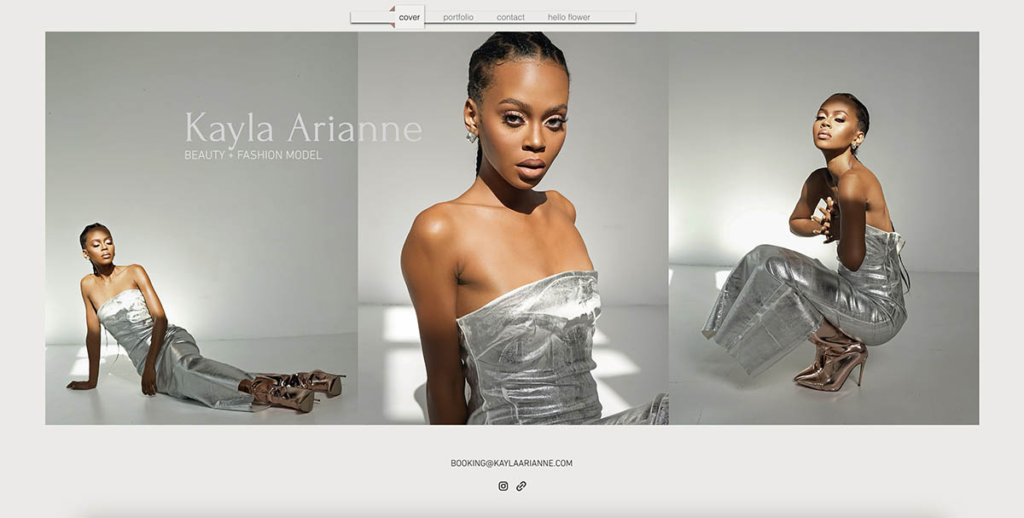
Image Credit: Journoportfolio
A modeling portfolio is your visual resume—a curated collection of images showing your range, versatility, and professionalism. Unlike amateur photo collections, portfolios are strategic tools designed to book work. They demonstrate what you look like, how you photograph, and what types of jobs you can handle.
Beginners need 6-10 strong images. More doesn’t mean better—quality trumps quantity always. As you gain experience and book professional jobs, your portfolio grows and improves. Established models might have 15-20 images, but even top professionals keep portfolios tight and focused.
Your portfolio should include several shot types. Headshots show your face clearly with different expressions—smiling, serious, contemplative. Full-body shots demonstrate your physique and proportions. Lifestyle images show you in relatable scenarios (casual settings, everyday activities). If pursuing fashion or editorial work, include more stylized or creative shots. Commercial models need approachable, friendly images.
Studio shoots with professional lighting create polished, clean images that work well for agency submissions. Natural light photography offers a softer, more organic feel that suits lifestyle and commercial work. Both have value—diversify your portfolio with different lighting styles.
Most models maintain both digital and physical portfolios. Digital portfolios live on your phone, tablet, or cloud storage for easy sharing via email or at castings. Physical books (high-quality prints in a professional presentation case) make an impression at in-person meetings, though they’re becoming less common. Many models create websites showcasing their work, though this isn’t required when starting.
How to Find & Apply to Modeling Agencies
Modeling agencies act as intermediaries between models and clients. They market your portfolio to brands, arrange castings, negotiate contracts, handle payments, and provide career guidance. In exchange, they take a commission (typically 20%) from your earnings. Good agencies invest in developing talent and maintaining industry relationships that lead to consistent work.
Mother agencies discover and develop new talent, often in smaller markets. They prepare models for larger markets, help build initial portfolios, and may place models with agencies in major cities. Direct agencies work primarily in their own markets and directly book models for jobs. Some models sign with mother agencies first, then get transferred to direct agencies in fashion capitals.
Most agencies accept online submissions through their websites. Follow each agency’s specific instructions exactly—some want PDFs, others prefer direct image uploads, and requirements for photo quantity and measurements vary. Include 3-5 strong portfolio images plus digitals. Write a brief, professional email with accurate measurements, age, location, and contact information. Don’t oversell yourself or include long personal stories.
Many agencies hold open calls—scheduled times when aspiring models can meet agents in person. Arrive during stated hours with your portfolio, digitals, and professional attitude. Expect crowds and possible long waits. Open calls rarely result in immediate signings, but they let agents see you in person and provide feedback.
Agencies look for models who fit current market demand, photograph well, have professional attitudes, and show potential for growth. They want reliable people who will represent their agency well to clients. Your look matters, but so does your demeanor, punctuality, and how you respond to feedback.
Red flags indicating scam agencies include requiring upfront fees for representation, pushing expensive photo packages with “preferred photographers,” promising guaranteed work or income, operating from unprofessional locations, or making you feel uncomfortable. Legitimate agencies earn money only when you book work—they take commission from your jobs. If someone asks for money before you’ve earned anything, walk away.
Freelance Modeling vs Agency Modeling
Freelance models work independently, finding their own clients, negotiating rates, managing schedules, and handling all business aspects themselves. They keep 100% of earnings but shoulder complete responsibility for marketing, contracts, payment collection, and building industry relationships. Freelancing offers total freedom but requires strong business skills and self-motivation.
Agency-represented models sign contracts giving agencies rights to represent them in specific markets. Agencies handle client relationships, casting submissions, contract negotiations, and payment collection in exchange for 20% commission. Models benefit from established industry connections, legal protection, professional guidance, and consistent casting opportunities, but sacrifice some autonomy and income.
Commission structures are straightforward with agencies—they take 20% of your gross earnings from jobs they book. Some agencies charge additional administrative fees (10-15%) for specific services like portfolio production or marketing materials. Read contracts carefully and understand all costs before signing. Freelancers negotiate rates directly with clients and keep everything they earn, minus self-employment taxes and business expenses.
Agency contracts often include exclusivity clauses preventing you from working with competing agencies in the same market. Some contracts are non-exclusive, allowing you to freelance alongside agency work. Others give agencies complete control over all bookings. Contract length varies from open-ended (either party can terminate with notice) to fixed terms. Always have a lawyer review contracts before signing.
Freelancing makes sense when you’re starting out and testing whether modeling suits you, when you live in markets without strong agency presence, when you prefer complete control over your career, or when you want to model part-time around other commitments. Agency representation becomes valuable when you’re ready to commit seriously, want access to higher-level clients, need professional guidance, or plan to work in major markets where agency relationships are essential.
How Models Make Money

Image Credit: Models Direct
Modeling rates vary enormously based on experience, market size, job type, and usage rights. Beginners in small markets might earn $100-300 per hour for commercial work. Experienced models in major cities can command $500-2,000+ per hour. Fashion runway shows sometimes pay surprisingly little ($500-1,000 per show) except at top levels, while commercial work generally pays more reliably.
Day rates are common for longer shoots, typically ranging from $500-5,000+ depending on the client and usage. A day rate covers 8-10 hours of work. Overtime applies beyond contracted hours. Usage fees compensate models for how clients will use images—limited local use costs less than international advertising campaigns running for years.
Commercial modeling generally pays significantly more than editorial work. Magazine editorials might offer only photo credit or a few hundred dollars. The exposure and portfolio value matter more than immediate payment. Commercial clients—retail brands, catalogs, e-commerce sites, corporate marketing—pay real money because they’re using your image to sell products.
Brand deals and influencer modeling have created new income streams. Models with strong social media followings can negotiate ambassador contracts, sponsored content deals, and affiliate partnerships. This passive income supplements traditional modeling work and can eventually exceed it for models who build significant online audiences.
Some models create passive income through stock photography, selling rights to existing images for broad commercial use, teaching modeling workshops, creating online courses, or launching modeling-related products. The most successful models diversify income sources rather than relying solely on bookings.
Modeling Scams: How to Stay Safe
The modeling industry unfortunately attracts scammers who exploit aspiring models’ dreams. Common scams include fake agencies that charge upfront fees for “representation,” predatory photographers requesting payment for portfolios before showing previous work, “casting directors” requesting inappropriate photos, bogus modeling schools promising agency connections, and contests requiring entry fees with no legitimate prizes.
Fake agencies look professional online but exist only to sell overpriced photo packages or collect registration fees. They claim you have potential but need specific photos from their “recommended photographer” (who pays them referral fees). Legitimate agencies never require payment for representation. They earn money through commission on jobs you actually book.
Predatory photographers pressure models, especially beginners, into uncomfortable situations. They might request swimsuit or lingerie shots during initial meetings, suggest “private sessions” at non-professional locations, or make inappropriate comments. Trust your instincts—if something feels wrong, leave immediately. Professional photographers maintain clear boundaries and professional environments.
Legitimate agencies make money exclusively through commission on work they book for you—typically 20% of your earnings. They invest in developing talent because your success creates their income. If an agency asks for money upfront for any reason (registration fees, website listings, photo requirements), they’re not operating legitimately.
If you’re unsure about an agency, photographer, or opportunity, research them thoroughly. Check online reviews, search for complaints, verify they’ve worked with known brands or agencies, and ask for references. Contact established models or agencies in your area for advice. When in doubt, trust your gut and walk away. Legitimate opportunities will respect your caution.
Social Media & Modeling in the Modern Era
Instagram has fundamentally changed modeling. Many models now get discovered through social media rather than traditional agency scouting. Brands increasingly book models based on their online presence, not just their physical look. A strong Instagram following can compensate for unconventional measurements or open doors that traditional pathways might keep closed.
Follower count matters to some clients, particularly for influencer-style collaborations and brand ambassadorships. However, most traditional modeling work still prioritizes your look, professionalism, and portfolio over your social media numbers. Don’t obsess over followers when starting—focus on building a quality portfolio and developing professional skills.
To build a model-friendly Instagram, post high-quality images regularly (2-4 times weekly minimum), maintain a cohesive aesthetic that reflects your modeling niche, engage authentically with your audience and industry professionals, use relevant hashtags strategically, and tag photographers, brands, and agencies you work with. Show both professional work and authentic personality—people follow humans, not portfolios.
Personal branding distinguishes you in a crowded market. Develop a clear identity beyond just being a model—maybe you’re the fitness model who also teaches yoga, the commercial model passionate about sustainable fashion, or the editorial model with a quirky sense of humor. Authentic personal brands attract both followers and clients who connect with your specific vibe.
TikTok and digital casting platforms are emerging trends. Some agencies now accept TikTok submissions. Brands use video casting where models submit self-taped auditions instead of attending in-person castings. Being comfortable on camera and creating engaging video content has become increasingly valuable, even for primarily print models.
Modeling Tips for Beginners
Standing out at castings requires professionalism more than gimmicks. Arrive 10 minutes early, never late. Dress in simple, well-fitted clothing that shows your figure—avoid baggy clothes, excessive patterns, or distracting accessories. Bring your portfolio and comp card if you have them. Be polite to everyone, including receptionists and assistants. Follow directions precisely. Don’t argue or make excuses if asked to do something differently.
Appropriate casting attire for women usually means fitted jeans or pants with a simple top, minimal jewelry, and heels (for fashion) or simple flats (for commercial). For men, fitted jeans or chinos with a plain t-shirt or button-down works well. The goal is showing your natural shape without drawing attention to clothing. Keep makeup minimal and hair simple. Let your natural features show clearly.
Communication and professionalism separate working models from aspiring ones. Respond to emails and messages promptly. Confirm castings and bookings immediately. If you must cancel, notify everyone as soon as possible. Show up when expected, prepared and ready to work. Don’t complain on set or create drama. Thank people for opportunities. These basics sound obvious, but many aspiring models fail at them.
Networking happens naturally when you’re professional and pleasant. Be friendly with photographers, stylists, makeup artists, and other models. These people work on multiple projects and recommend models they enjoyed working with. Some of the best opportunities come from word-of-mouth recommendations rather than formal castings. Build genuine relationships rather than aggressively promoting yourself.
Handling rejection confidently requires reframing how you view it. You’re not being rejected as a person—you simply weren’t what that specific client needed for that specific project at that specific moment. Maybe they needed someone taller, shorter, older, younger, or with a completely different look. Treat every casting as practice and every rejection as one step closer to a yes. The most successful models are simply the ones who kept showing up after hearing “no” hundreds of times.
Can You Become a Model Without an Agency?
Self-booking platforms like Model Mayhem, Instagram, and industry-specific casting sites connect models directly with photographers, brands, and creative teams. These platforms let you create profiles, showcase portfolios, and apply for jobs without agency representation. While opportunities are often smaller than agency bookings, they provide valuable experience and income, especially when starting.
Working directly with brands means reaching out to local businesses, e-commerce companies, or marketing agencies that need model content. Many small-to-medium businesses can’t afford agency rates and happily work with professional freelance models. This approach requires hustle—you’re doing the marketing and outreach work agencies typically handle—but you keep 100% of your earnings.
Agencies become necessary when you want to work at higher levels of the industry. Major brands, established fashion houses, and significant advertising campaigns almost exclusively book through agencies. Agencies provide legitimacy, legal protection, and access to clients you can’t reach independently. If you’re serious about modeling as a primary career, agency representation eventually becomes essential.
Many successful models take a hybrid approach—maintaining agency representation for high-level bookings while also self-booking smaller commercial jobs, brand partnerships, and social media collaborations. This maximizes income opportunities and career flexibility. Some agencies allow this; others require exclusivity. Understand your contract terms before pursuing hybrid strategies.
Career Growth & Long-Term Modeling Success
Expanding into international markets typically happens through your mother agency or primary agency, which places you with partner agencies in other countries. You might start locally, gain experience and build your portfolio, then travel to New York, Los Angeles, Miami, London, or other major markets for a few months to test the waters. International work requires flexibility, financial resources for initial travel and accommodation, and comfort navigating unfamiliar places.
Many models transition into acting, hosting, or full-time influencing as their modeling careers evolve. The skills overlap significantly—comfort on camera, understanding of angles and lighting, ability to take direction, and experience working with creative teams. Some models launch fashion lines, beauty products, or other businesses leveraging their industry knowledge and personal brand.
Longevity in modeling varies by category. Fashion models often have shorter careers, peaking in their late teens to mid-twenties, though exceptions exist. Commercial models can work well into their 40s, 50s, and beyond as brands need relatable faces across age demographics. Parts models, character models, and commercial specialists often have the longest careers since their work doesn’t depend on youthful appearance.
Planning beyond modeling is wise even if you love it. The work is physically demanding and market preferences shift. Many models save aggressively during peak earning years, invest in education or business ventures, and prepare backup careers. Others leverage modeling as a stepping stone to related industries—fashion, photography, marketing, brand management, or creative direction. Treat modeling as one chapter in a longer career story rather than your complete identity.
Frequently Asked Questions
How tall do you need to be to model?
For fashion runway modeling, women typically need to be 5’9″-6’0″ and men 6’0″-6’2″. Editorial work has similar preferences. However, commercial modeling has no height requirements—brands need models of all heights to represent real consumers. Petite modeling specifically seeks women 5’7″ and under. The answer depends entirely on which modeling type you pursue.
Can you become a model with no experience?
Absolutely. Everyone starts somewhere, and agencies regularly sign complete beginners with the right look and attitude. Focus on creating strong initial photos, learning basic posing, and developing professional behavior. What you lack in experience, you make up for with fresh energy and willingness to learn. Many top models were discovered with zero industry background.
Is modeling a stable career?
Modeling is inherently unstable, especially early on. Work fluctuates seasonally and unpredictably. You might work constantly for two months then face six weeks without bookings. Income varies dramatically month to month. Most models supplement with other work or savings during slow periods. Established models with strong reputations achieve more stability, but modeling is fundamentally freelance work with all the uncertainty that entails.
How long does it take to get signed?
Timeline varies enormously. Some people get signed by agencies after their first submission. Others apply for months or years before finding representation. In major competitive markets, it often takes 6-12 months of persistent applications, portfolio building, and open call attendance. In smaller markets with less competition, the process might move faster. The key is persistence—keep improving your portfolio and applying until you succeed.
Can you start modeling after 25 or 30?
Yes, especially for commercial, lifestyle, and mature modeling categories. While high-fashion runway work skews younger, commercial brands need relatable faces across all age demographics. Models in their 30s, 40s, 50s, and beyond work regularly in advertising, catalogs, stock photography, and lifestyle campaigns. Starting later actually has advantages—you bring life experience, professionalism, and often more realistic expectations than younger models.
Final Thoughts
Becoming a model requires understanding the industry realistically, identifying where you fit within it, building a strong portfolio, developing professional skills, and persistently pursuing opportunities despite inevitable rejection. It’s not a glamorous shortcut to fame for most people—it’s work that demands physical stamina, mental resilience, and business savvy.
Start today by researching which modeling type aligns with your natural attributes. Take simple digitals showing what you actually look like. If budget allows, invest in a few professional photos or collaborate with emerging photographers. Practice posing in front of a mirror and study how professional models work. Research legitimate agencies in your area and prepare to submit when your portfolio is ready.
Long-term success means viewing modeling as a business, not just a creative outlet. Track your finances, maintain professionalism consistently, network authentically, and continuously improve your skills. Build a social media presence that reflects your brand. Stay physically and mentally healthy. Plan for life beyond modeling even while you’re actively pursuing it.
The path won’t be linear. You’ll face rejection, slow periods, and moments questioning whether to continue. That’s normal. The models who succeed aren’t necessarily the most naturally talented—they’re the ones who kept showing up, stayed professional, and refused to quit during difficult stretches. If you’re willing to put in the work, modeling offers genuine opportunities regardless of your starting point.
Ready to dive deeper? Explore our related guides on building a professional modeling portfolio, understanding how modeling agencies work, and maximizing your income as a working model. Your modeling journey starts now—take the first step.
Leave a Reply