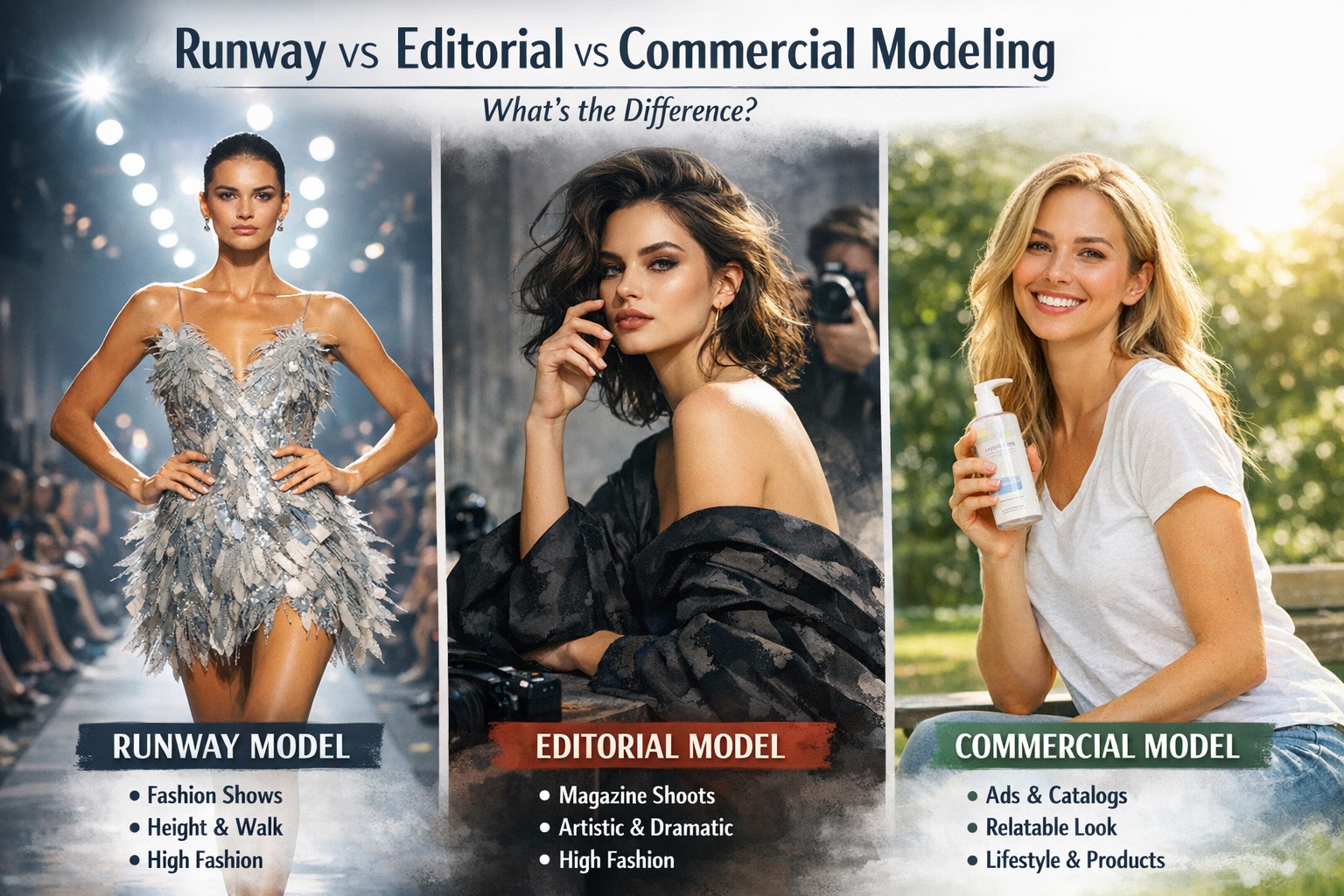
Step into any major city during fashion week, flip through a glossy magazine, or watch a primetime commercial break, and you’ll see models at work. But not all modeling is created equal. The industry divides into three distinct categories: runway, editorial, and commercial modeling, each with its own requirements, opportunities, and career trajectories.
Understanding these differences is crucial whether you’re an aspiring model testing the waters, a parent supporting a child’s modeling ambitions, or a professional considering a career switch into the modeling industry. Each path demands different physical attributes, skills, and mindsets. Choosing the right direction early can save you time, money, and disappointment while maximizing your chances of success.
This comprehensive guide breaks down what makes each modeling category unique, helping you identify where your strengths align and which path might lead to your version of success in the modeling world.
What Is Runway Modeling?
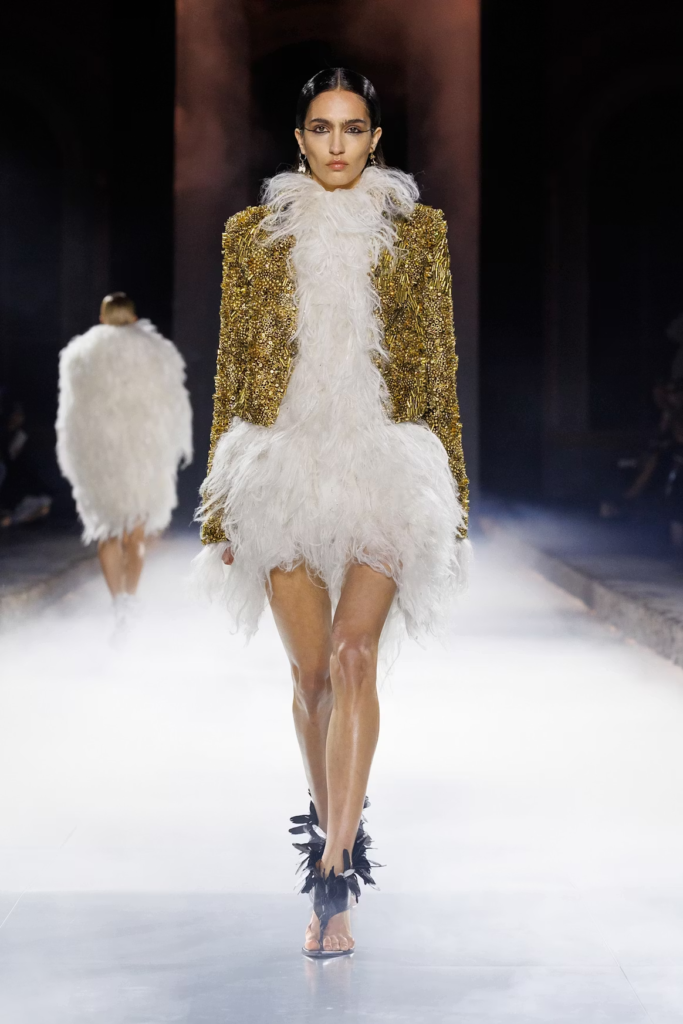
Image Credit: Fashion United
Overview
Runway modeling, often called catwalk modeling, is the art of presenting designer clothing to live audiences during fashion shows. These models serve as living mannequins, bringing garments to life through movement and attitude. Runway models work primarily at fashion weeks in cities like New York, Paris, Milan, and London, as well as at designer showcases, trunk shows, and high-fashion brand presentations.
The runway represents the pinnacle of fashion modeling for many in the industry. It’s where trends are born, where designers unveil their creative visions, and where fashion editors, buyers, and influencers gather to determine what the world will wear next season.
Key Requirements
Runway modeling has some of the most specific physical requirements in the industry. Female runway models typically need to be between 5’9″ and 6’0″ tall, with proportions that allow sample-size garments (usually size 0-4 in US sizing) to fit properly. Male runway models generally stand between 5’11” and 6’2″, with a lean, athletic build.
Beyond measurements, successful runway models possess impeccable posture, a distinctive walk that conveys confidence without overpowering the clothing, and the ability to maintain composure under pressure. The runway walk itself is an acquired skill that requires training, practice, and the ability to adapt to different designers’ aesthetic preferences. Some want strong, powerful strides; others prefer fluid, graceful movements.
Typical Work & Clients
Runway models find work during the biannual fashion week circuit, which runs from September through November for spring/summer collections and February through April for fall/winter collections. Between these peaks, they may book designer showcases, private fashion presentations, and couture shows.
The most prestigious clients include haute couture houses like Chanel, Dior, and Valentino, as well as ready-to-wear designers such as Marc Jacobs, Prada, and Alexander McQueen. Emerging designers also hire runway models for smaller shows, though these opportunities often pay less or sometimes offer only trade (clothing in lieu of payment).
Earnings & Career Scope
Runway modeling follows a unique pay structure. Models may earn anywhere from $0 to $20,000+ per show, with rates depending on the model’s status, the designer’s budget, and the show’s prestige. Top-tier models command five-figure fees for major shows, while newcomers might walk for exposure or a few hundred dollars.
Many runway models work under contracts with fashion houses, providing more stable income in exchange for exclusivity during fashion weeks. However, the runway season is concentrated into a few intense months each year, meaning models must budget carefully or supplement with other modeling work.
While runway modeling offers tremendous prestige and opens doors to other opportunities, it rarely provides long-term financial stability on its own. Most successful runway models diversify into editorial, commercial, or campaign work to build sustainable careers.
Pros & Cons
The advantages of runway modeling include unparalleled visibility within the fashion industry, the opportunity to work with legendary designers and creative teams, and the fashion credibility that can launch other career opportunities. Walking in major fashion shows instantly elevates a model’s status and can lead to lucrative contracts with beauty brands, fashion campaigns, and editorial spreads.
However, the drawbacks are significant. The physical requirements exclude the vast majority of aspiring models, the work is seasonal and unpredictable, and the pressure to maintain specific measurements can take a toll on physical and mental health. The runway world can also be intensely competitive and, at times, unwelcoming to those who don’t fit the traditional mold.
What Is Editorial Modeling?
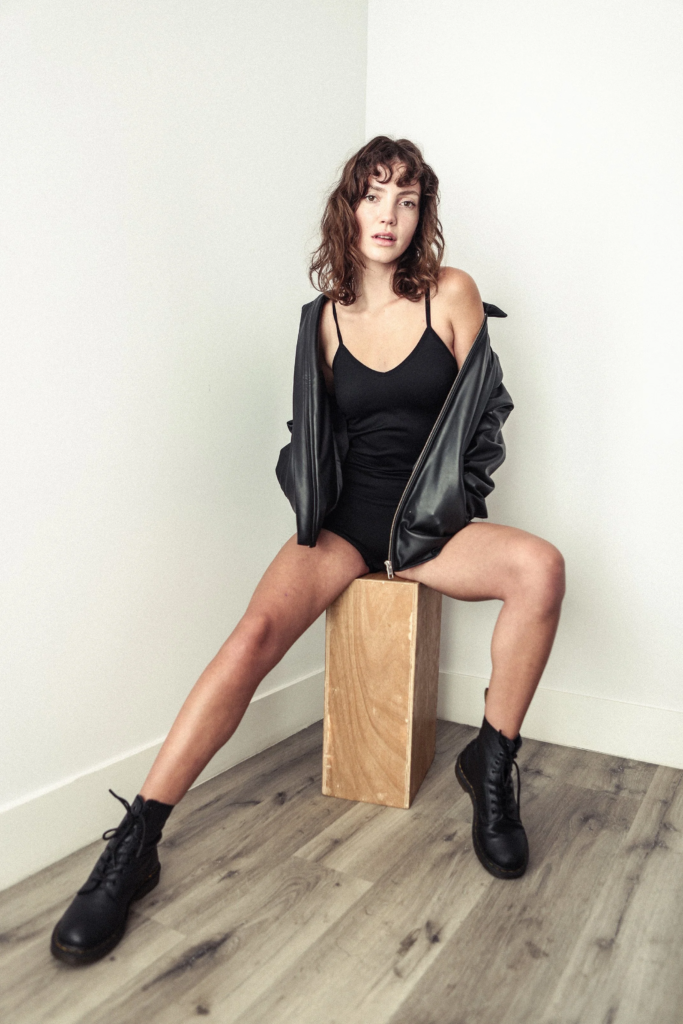
Image Credit: By Brandon Andre
Overview
Editorial modeling is the art of storytelling through fashion photography. These are the images you see in Vogue, Harper’s Bazaar, Elle, and countless other fashion publications, both print and digital. Unlike commercial work that sells products, editorial modeling sells concepts, moods, and the artistic vision of photographers, stylists, and creative directors.
Editorial work prioritizes creativity and artistic expression over commercial appeal. The clothing, while important, often takes a backseat to the narrative being conveyed. An editorial spread might tell a story of urban rebellion, vintage romance, or futuristic minimalism, with the model serving as the protagonist bringing that vision to life.
Key Requirements
Editorial modeling values versatility and expressiveness over specific measurements. While many editorial models do fit runway proportions, others succeed based on unique features, striking bone structure, or an unconventional look that photographs compellingly. What matters most is the ability to transform, to embody different characters and emotions convincingly.
Successful editorial models possess exceptional posing skills, understanding how their body interacts with light, space, and camera angles. They take direction well but also bring their own interpretations to concepts. The best editorial models seem to disappear into the clothing and story, making viewers forget they’re looking at a model and instead feel immersed in a fantasy.
Typical Work & Clients
Editorial models work primarily with fashion magazines ranging from legacy publications like Vogue and W Magazine to digital platforms like i-D and Dazed Digital. They collaborate with fashion photographers on creative projects, both commercial editorials (which feature advertisers’ products) and pure fashion editorials (which showcase seasonal trends).
Beyond magazines, editorial models appear in fashion campaigns that prioritize artistic storytelling over straightforward product promotion. These might be seasonal lookbooks, brand image campaigns, or creative collaborations between fashion houses and renowned photographers.
Earnings & Career Scope
Here’s the harsh reality: editorial modeling often pays poorly, especially early in a career. Many magazine editorials pay between $150 and $500 per day, with some prestigious publications offering no payment at all, compensating instead with “exposure” and tear sheets (published images) for portfolios.
However, strong editorial work has immense long-term value. A spread in a major fashion magazine can legitimize a model’s career, attract high-paying commercial clients, and lead to lucrative brand ambassador contracts. Many top models built their reputations through editorial work before transitioning to more profitable commercial campaigns.
The career scope for editorial models can be surprisingly long if they develop a distinctive look and maintain industry relationships. Unlike runway modeling, which favors youth and specific proportions, editorial work can accommodate a wider age range and celebrate unique features that grow more compelling with time.
Pros & Cons
Editorial modeling offers unparalleled creative freedom and the opportunity to work with the industry’s most talented photographers, stylists, and creative directors. The work is artistically fulfilling, portfolio-building, and respected within fashion circles. A strong editorial portfolio opens doors to virtually every other modeling category.
The downside is financial uncertainty, especially early in a career. Models can work frequently on editorial projects while struggling to pay bills. The competition is fierce, and success often depends on factors beyond a model’s control, including timing, connections, and the subjective preferences of editors and photographers. Additionally, the hours can be long, with shoots sometimes running 12-16 hours for a single editorial spread.
What Is Commercial Modeling?
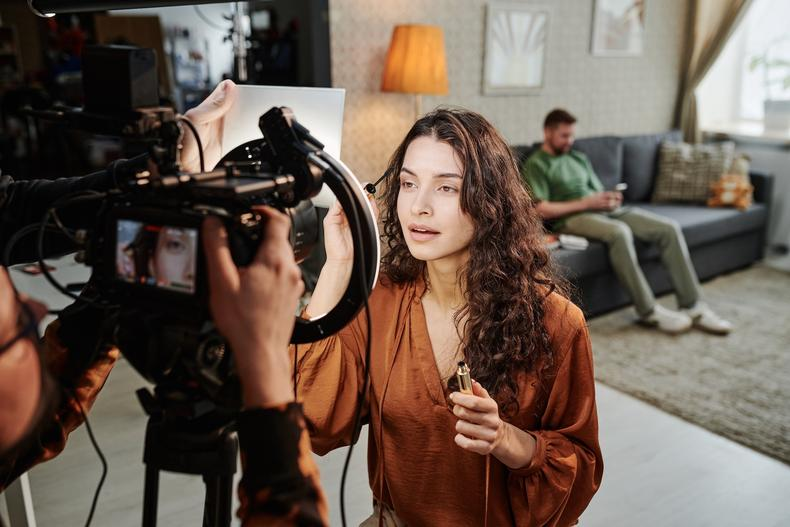
Image Credit: Backstage
Overview
Commercial modeling is the business side of the modeling industry. These are the models you see in everyday advertising: television commercials, print advertisements, billboards, product packaging, websites, and social media campaigns. Commercial modeling sells products, services, and brands to consumers, prioritizing relatability and broad appeal over high-fashion aesthetics.
Unlike runway and editorial modeling, which target fashion insiders and aspirational consumers, commercial modeling speaks to the general public. Brands want models who look like their target customers, someone viewers can imagine themselves being or becoming.
Key Requirements
Commercial modeling embraces diversity in ways that runway and editorial traditionally haven’t. Brands seek models of various heights, sizes, ages, ethnicities, and looks because they’re trying to connect with diverse consumer bases. A 5’4″ model might book a national campaign, something nearly impossible in high fashion.
What matters most in commercial modeling is natural, approachable expressions and the ability to convey emotions authentically. Commercial models must look comfortable and genuine rather than aloof or intimidating. Many commercial jobs also require basic acting skills, as models might need to interact with products, deliver lines, or portray specific scenarios convincingly.
Typical Work & Clients
Commercial models work across virtually every industry: retail brands, automotive companies, pharmaceuticals, food and beverage companies, technology firms, insurance providers, and countless others. They appear in television commercials, print advertisements in newspapers and magazines, billboard campaigns, website imagery, social media content, and email marketing.
The work is remarkably diverse. One week, a commercial model might shoot a family vacation advertisement for a travel company; the next, they could be the face of a new smartphone or modeling activewear for a fitness brand. This variety keeps the work interesting and reduces the monotony that can affect models in more specialized categories.
Earnings & Career Scope
Commercial modeling offers the most consistent income potential in the modeling industry. Day rates for print work typically range from $500 to $5,000+, while television commercial rates can reach $10,000 or more, often with residual payments each time the commercial airs.
These residuals represent a significant advantage of commercial work. A model might earn $2,000 for a shoot day, then receive residual checks for months or years as the advertisement continues running. A single successful national commercial can generate $50,000+ in total compensation.
Career longevity in commercial modeling often exceeds that of runway or editorial work. Brands continually need models representing different life stages, from babies to seniors. A commercial model can work consistently throughout their life if they maintain a professional reputation and adapt to market demands.
Pros & Cons
Commercial modeling provides financial stability that’s rare in the fashion industry. The work is frequent, the pay is competitive, and residuals can create passive income streams. The diversity of clients and projects keeps work interesting, and the inclusive nature of commercial modeling means more people can succeed regardless of their measurements.
The trade-off is fashion prestige. Commercial modeling lacks the glamour and artistic credibility of runway and editorial work. Within the fashion industry, commercial models sometimes face dismissive attitudes from those who view the work as less legitimate or artistically meaningful. Additionally, while the work pays well, it rarely leads to international fame or recognition outside industry circles.
Runway vs Editorial vs Commercial Modeling: Side-by-Side Comparison
| Comparison Factor | Runway Modeling | Editorial Modeling | Commercial Modeling |
|---|---|---|---|
| Height Requirements | Strict: Women 5’9″-6’0″, Men 5’11”-6’2″ | Flexible: Distinctive features valued over specific height | Very flexible: All heights accepted |
| Body Type | Sample size (US 0-4 for women), lean athletic build for men | Proportionate with strong bone structure, some flexibility | Diverse body types representing real consumers |
| Age Range | Typically 16-25 (peak years) | 18-35+ (longer with distinctive look) | All ages from infants to seniors |
| Key Skills | Walking technique, posture, stage presence, confidence | Expressive posing, character embodiment, taking creative direction | Natural expressions, basic acting, relatability, product interaction |
| Primary Work Venues | Fashion weeks, designer shows, fashion events | Fashion magazines, creative campaigns, lookbooks | TV commercials, print ads, billboards, digital campaigns, packaging |
| Typical Clients | Haute couture houses, luxury designers, fashion brands | Vogue, Harper’s Bazaar, Elle, fashion photographers, creative agencies | Retail brands, consumer products, automotive, pharmaceuticals, tech companies |
| Pay Structure | Per show: $0-$20,000+ (varies widely by status) | Day rate: $150-$500+ for editorials | Day rate: $500-$5,000+ plus residuals for TV work |
| Income Consistency | Seasonal (concentrated in fashion week months) | Inconsistent, project-based | Most consistent with frequent bookings |
| Residual Income | No | No | Yes (especially for TV commercials) |
| Annual Income Potential | Variable: $0-$100,000+ (top models earn millions) | Low to moderate: $10,000-$60,000+ initially | Moderate to high: $30,000-$150,000+ |
| Career Longevity | Short: Usually peaks in 20s | Moderate to long: Can work into 30s-40+ | Longest: Can span entire lifetime |
| Visibility | High within fashion industry | High among fashion insiders | Broad public reach, less personal recognition |
| Fame Potential | High (recognized in fashion circles) | Moderate (industry prestige) | Low (focus on products, not models) |
| Fashion Credibility | Highest | High | Lower |
| Portfolio Building | Essential for fashion career | Critical for all modeling work | Important but less emphasized |
| Competition Level | Extremely high | Very high | High but more opportunities |
| Physical Inclusivity | Lowest (strict standards) | Moderate (unique features valued) | Highest (diverse representation) |
| Work Schedule | Intense during fashion weeks, quieter off-season | Irregular, long shoot days | More regular with advance booking |
| Travel Requirements | Extensive (international fashion weeks) | Moderate (various shoot locations) | Variable (local to international) |
| Booking Process | Castings during fashion week, designer selections | Go-sees, portfolio reviews, photographer selection | Open castings, agency submissions, self-tapes |
| Best For | Tall individuals seeking fashion prestige and runway experience | Creative, expressive models building fashion portfolios | Those seeking steady income and diverse opportunities |
| Common Challenges | Extreme competition, body standards pressure, seasonal income | Low initial pay, irregular work, long hours | Less fashion prestige, limited fame potential |
| Crossover Potential | Can lead to editorial and commercial work | Can transition to runway or commercial | Can move to editorial with strong portfolio |
Body Requirements
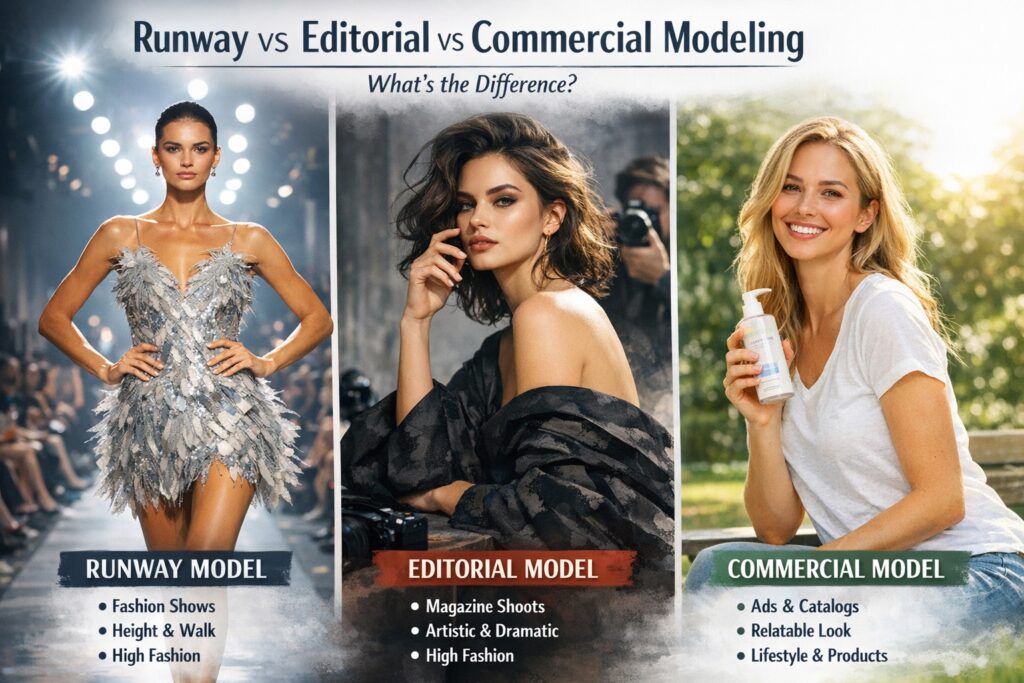
Runway modeling enforces the strictest physical requirements, with specific height and proportion standards that exclude most aspiring models. Editorial modeling offers slightly more flexibility, valuing distinctive features and strong bone structure over specific measurements, though many editorial models still fit conventional proportions. Commercial modeling embraces the widest diversity in body types, heights, ages, and looks, seeking models who represent actual consumer demographics.
Income Potential
Commercial modeling typically offers the highest and most consistent income through day rates and residuals. Runway modeling can pay extremely well for top models but offers seasonal, unpredictable work. Editorial modeling often pays the least, especially early in a career, though it can lead to lucrative opportunities in other categories.
Career Longevity
Commercial models often enjoy the longest careers, working from childhood through senior years depending on market needs. Editorial models can work for decades if they develop a distinctive look, though opportunities may shift with age. Runway modeling generally favors youth, with most runway careers peaking in the model’s 20s, though exceptions exist for exceptionally established models.
Visibility & Fame
Runway modeling offers the most visibility within the fashion industry, with models becoming recognized faces on the international fashion circuit. Editorial work provides prestige and credibility among fashion insiders but less mainstream recognition. Commercial modeling reaches the largest general audience but rarely translates to personal fame, as consumers focus on products rather than the models selling them.
Skill Set Required
Runway modeling demands a distinctive walk, stage presence, and the ability to showcase clothing through movement. Editorial modeling requires exceptional posing skills, expressiveness, and the ability to embody different characters and concepts. Commercial modeling needs natural, relatable expressions, often combined with basic acting skills and the versatility to represent various scenarios convincingly.
For those who prefer a visual reference, here’s a quick comparison:
Runway: Strict height requirements, seasonal income, prestige within fashion, specialized walking skills Editorial: Flexible proportions, lower initial pay, creative fulfillment, strong posing abilities Commercial: Inclusive requirements, consistent income, broad audience reach, natural acting skills
Which Type of Modeling Is Right for You?
Choosing the right modeling path requires honest self-assessment. Start by asking yourself these questions: What are my physical attributes, and which category do they naturally fit? What are my financial needs and expectations? Do I prioritize artistic fulfillment or financial stability? How do I respond to rejection and competition? What’s my ultimate goal in modeling?
If you’re tall with proportions that fit sample sizes and you’re drawn to high fashion, runway might be your path. If you’re expressive, creative, and willing to sacrifice immediate income for portfolio development and artistic opportunities, consider editorial. If you value steady work, appreciate diversity, and can authentically portray everyday scenarios, commercial modeling might be ideal.
Consider your personality beyond physical attributes. Runway modeling requires comfort performing in front of live audiences and handling the pressure of real-time presentations. Editorial demands patience during long shoots and the ability to take and interpret creative direction. Commercial work needs approachability and often requires interacting naturally with products or other people on camera.
The good news is that these categories aren’t mutually exclusive. Many successful models work across multiple categories, using editorial work for credibility while earning income through commercial jobs, or walking in fashion shows while maintaining commercial campaigns.
Can Models Work in Multiple Categories?
Absolutely, and many do. In fact, the most financially successful models often diversify across categories, using each type of work to support and enhance the others. Editorial spreads in major magazines provide the credibility that attracts commercial clients willing to pay premium rates. Runway experience demonstrates a model’s fashion legitimacy, making them more appealing for editorial work.
Consider Karlie Kloss, who built her career walking runways for major designers, graced the covers of countless fashion magazines, and appeared in commercial campaigns for brands like Nike and L’Oréal. Or Kate Moss, who has done it all: runway shows for luxury brands, iconic editorial spreads, and commercial campaigns for everything from Calvin Klein to Rimmel London.
Transitioning between categories requires strategy. Models moving from commercial to fashion work need strong fashion portfolios showcasing their versatility and editorial aesthetic. Those transitioning from runway to commercial modeling must demonstrate they can convey approachability and relatability, not just high-fashion attitude.
Age and career stage often influence which categories models prioritize. Many start with editorial work to build their portfolios and establish credibility, transition to runway during their physical prime, and eventually focus on commercial work for financial stability and career longevity.
How to Get Started in Modeling
Runway
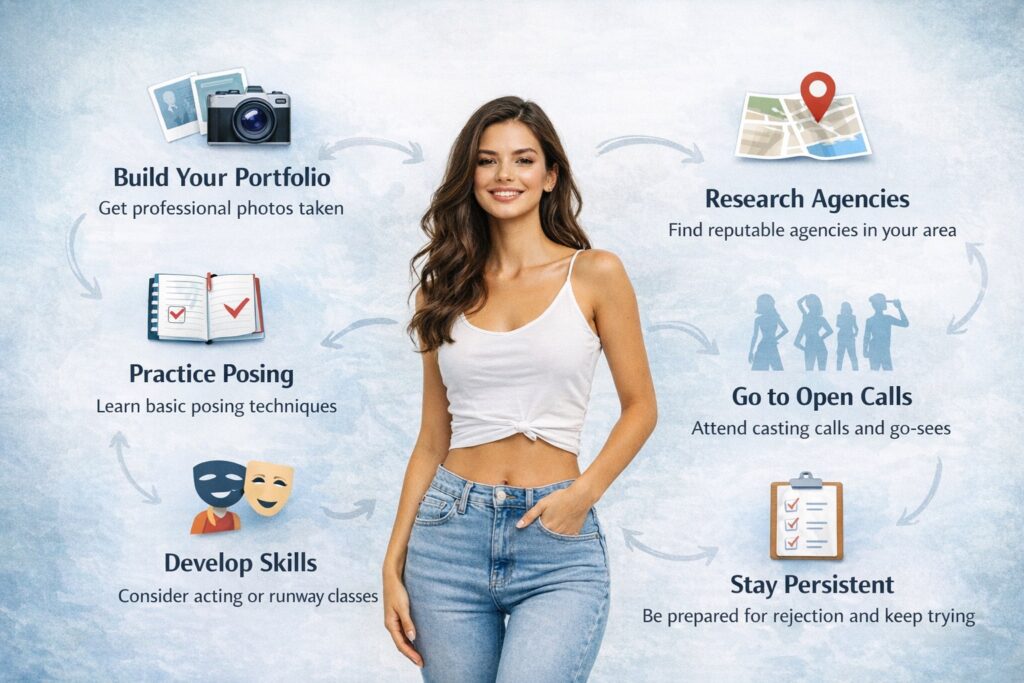
Breaking into runway modeling starts with honest assessment of whether you meet the physical requirements. If you do, invest in professional runway training or walking classes, which teach proper posture, turn techniques, and how to adapt your walk to different designers’ preferences.
Build a portfolio that showcases your proportions and versatility through clean, well-lit images that demonstrate how clothing hangs on your body. Seek representation from agencies with strong runway divisions and connections to fashion week organizers. Attend open calls at agencies in major fashion capitals, and consider starting with smaller, local fashion shows to gain experience before pursuing major fashion weeks.
Network within the fashion industry by attending events, connecting with stylists and designers, and maintaining a professional social media presence that showcases your runway potential. Remember that patience is essential; breaking into top-tier runway work often takes years of persistence.
Editorial
Editorial modeling begins with building a strong fashion portfolio through test shoots with photographers looking to expand their own portfolios. These collaborations, often unpaid or trade-for-prints arrangements, create the images you’ll need to attract agency representation and editorial clients.
Study fashion magazines to understand current editorial aesthetics, trends in posing, and the visual language of fashion photography. Develop your posing skills by practicing with mirrors, studying the work of top editorial models, and experimenting with how your body creates shapes and lines.
Connect with fashion photographers, stylists, and makeup artists through social media, creative networking events, and portfolio reviews. Many editorial opportunities come through these relationships rather than traditional casting calls. When starting out, be willing to work on smaller, independent publications and digital platforms to build your tear sheet collection.
Commercial
Commercial modeling starts with seeking representation from commercial modeling agencies, which often hold open calls and have less restrictive admission standards than high-fashion agencies. Create a portfolio with natural, approachable images that showcase your personality and versatility in different scenarios.
Prepare for commercial castings by developing your on-camera comfort and basic acting skills. Consider taking acting or improv classes, as many commercial jobs require you to deliver lines, interact with products naturally, or portray specific emotions and scenarios.
Stay informed about commercial casting calls through agency submissions, casting websites, and industry resources. Build a presence on commercial casting platforms where brands and advertising agencies search for talent. Maintain flexibility in your availability, as commercial shoots often have quick turnarounds from booking to shoot day.
Common Myths About Runway, Editorial & Commercial Modeling
“Only tall people can model”
While runway modeling does require significant height, editorial and especially commercial modeling embrace diverse heights. Petite models, those under 5’7″, regularly book editorial and commercial work. Some agencies even have petite divisions specifically representing shorter models. Your height might exclude you from runways, but it doesn’t exclude you from modeling careers.
“Editorial models don’t get paid”
While editorial rates are often lower than commercial rates, professional editorial models do earn money. Major publications pay day rates, and even smaller magazines typically offer some compensation. The “exposure only” offers exist, but models should be strategic about which unpaid opportunities genuinely benefit their careers versus those simply exploiting free labor.
“Commercial modeling isn’t real modeling”
This snobbish attitude persists in some fashion circles, but it’s both inaccurate and impractical. Commercial modeling requires significant skill, professionalism, and versatility. More importantly, it provides stable careers for thousands of models worldwide. The notion that only high fashion counts as “real” modeling ignores the reality that commercial work keeps the industry running and provides opportunities for far more models than runway or editorial combined.
Final Thoughts
Runway, editorial, and commercial modeling represent three distinct career paths within the modeling industry, each with unique requirements, opportunities, and rewards. Runway modeling offers fashion prestige and industry visibility but demands specific physical attributes and tolerating seasonal, unpredictable work. Editorial modeling provides creative fulfillment and portfolio-building opportunities but often requires financial sacrifice early in a career. Commercial modeling delivers consistent income and inclusive opportunities but less fashion credibility and artistic recognition.
The path you choose should align with your physical attributes, personality, skills, and career goals. Don’t be discouraged if one category seems out of reach; another might be perfect for you. And remember, these categories aren’t rigid boxes but fluid opportunities that many models move between throughout their careers.
If you’re serious about pursuing modeling, your next steps are clear: assess which category fits you best, build or update your portfolio to showcase relevant strengths, research and approach reputable agencies in your category, and invest in training that develops the specific skills your chosen path requires. Most importantly, approach your modeling career with professionalism, persistence, and realistic expectations about both the challenges and opportunities ahead.
The modeling industry has room for diverse talents and looks across all its categories. Whether you’re walking runways at Paris Fashion Week, gracing magazine covers, or selling products that improve people’s daily lives, each path offers its own version of success. The key is finding which one aligns with who you are and what you want to achieve.
Leave a Reply